
Reflecting on the success and learnings from UKREiiF 2026
13.07.26
We recently attended UKREiiF, one of the UK’s biggest industry events, for yet another year of tapping into the core of what it means to be part of the built environment. Connecting the public sector, investors, developers, and construction supply chains, the annual event is a chance to champion regeneration and development across the country.
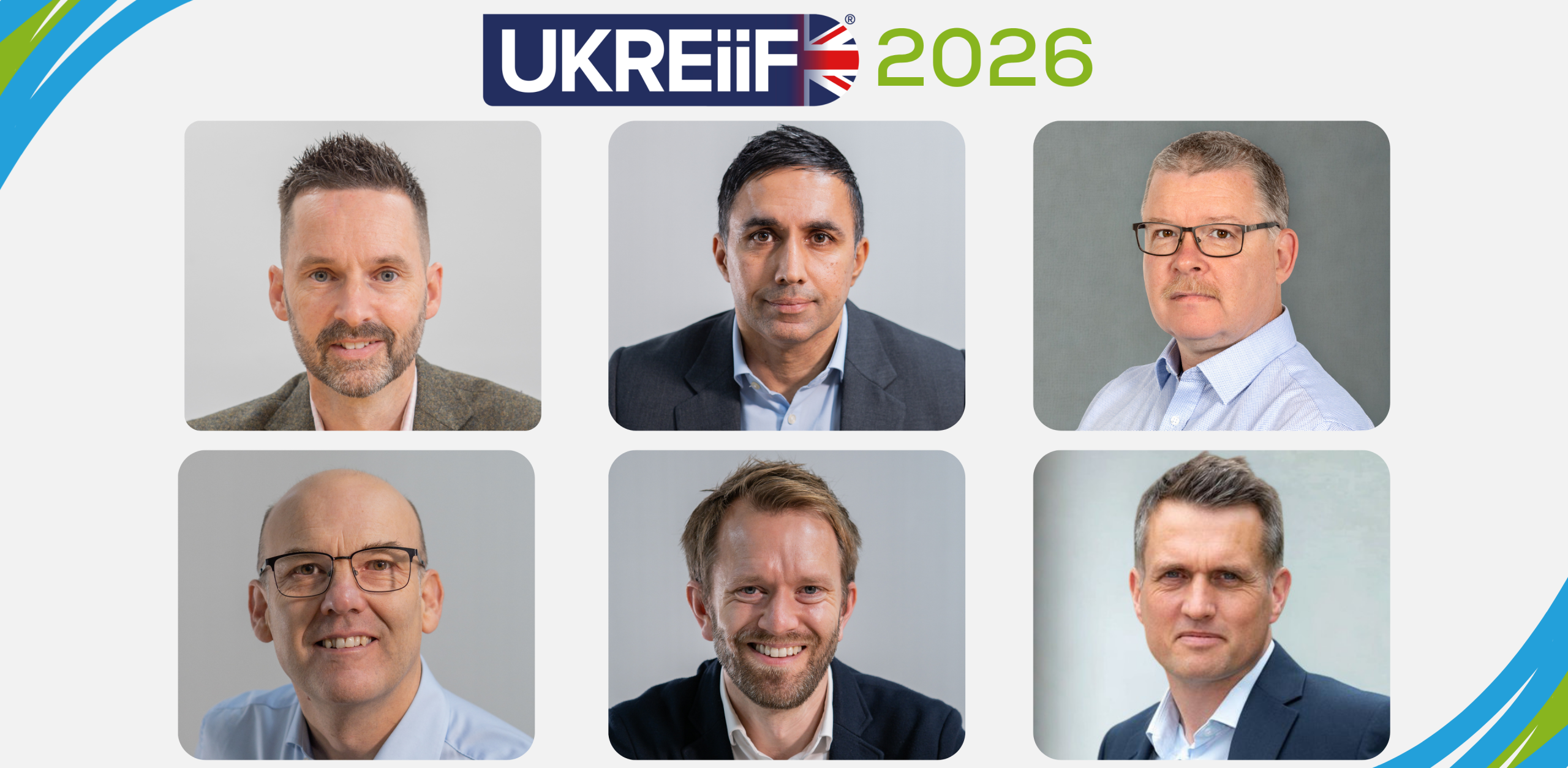
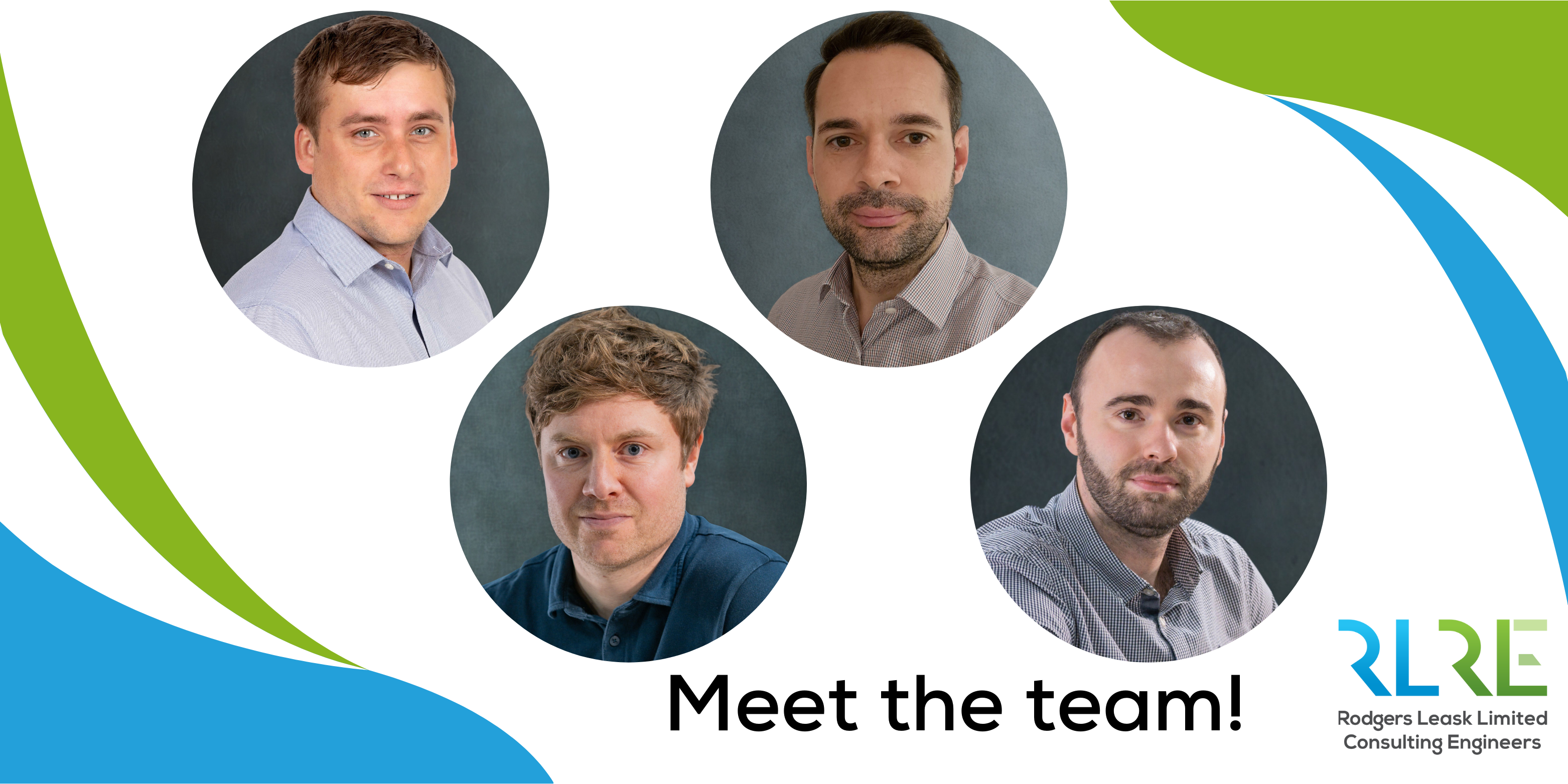
This year Kriston Harvey, Howel Morris, Kully Toor, Matt Harrison, Stewart Friel and Mark Bellringer headed to Leeds representing our infrastructure engineering, geo-environmental engineering, structural engineering and transport planning capabilities.
Over the course of the three-day event in May, the team hit the ground running with networking, fostering new and existing relationships with industry partners, and discussing ongoing sector challenges and opportunities during panel sessions and fringe events.
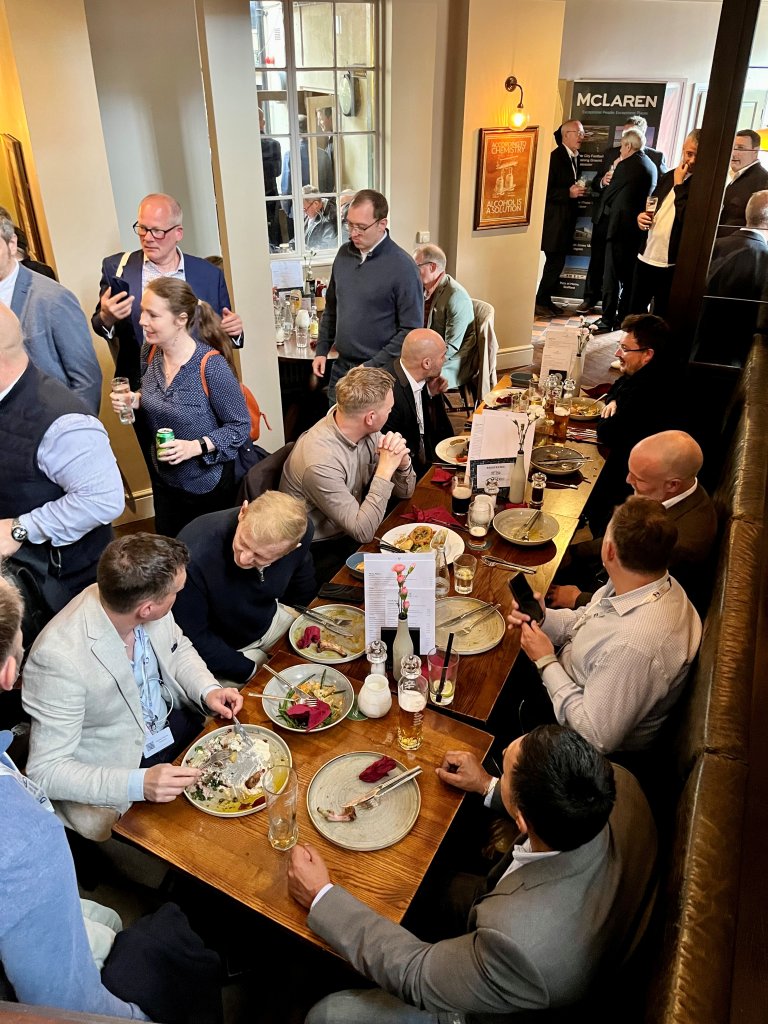
For the first time since UKREiiF started, Kriston attended without plans to attend the events planned within the conference perimeter, choosing instead to focus his time on fringe events such as breakfasts, lunches and dinners. He said: “By not entering the main event space, I found I had more time in my diary to host, which provided a great forum to strengthen relationships with a number of key contacts.” Fringe events for Kriston included the McLaren drinks event at The Lamb and Flag, ApresREiiF, co-hosted by Frank Shaw, at Hirsts Yard and the Stepnell event at Electric Shuffle.
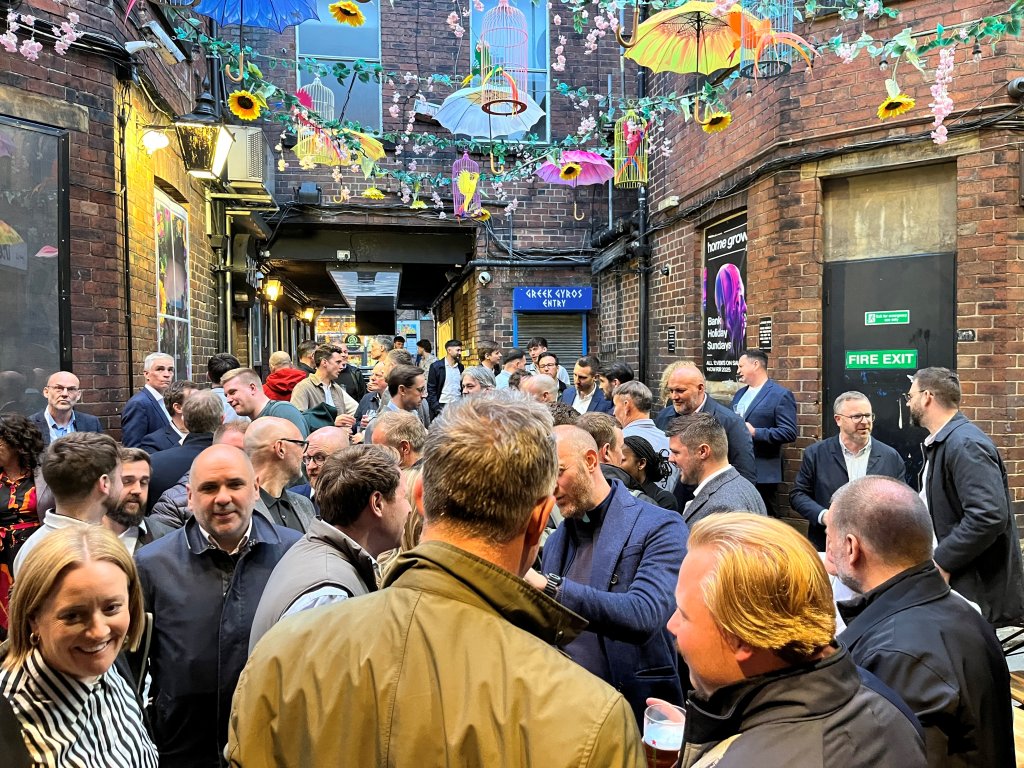
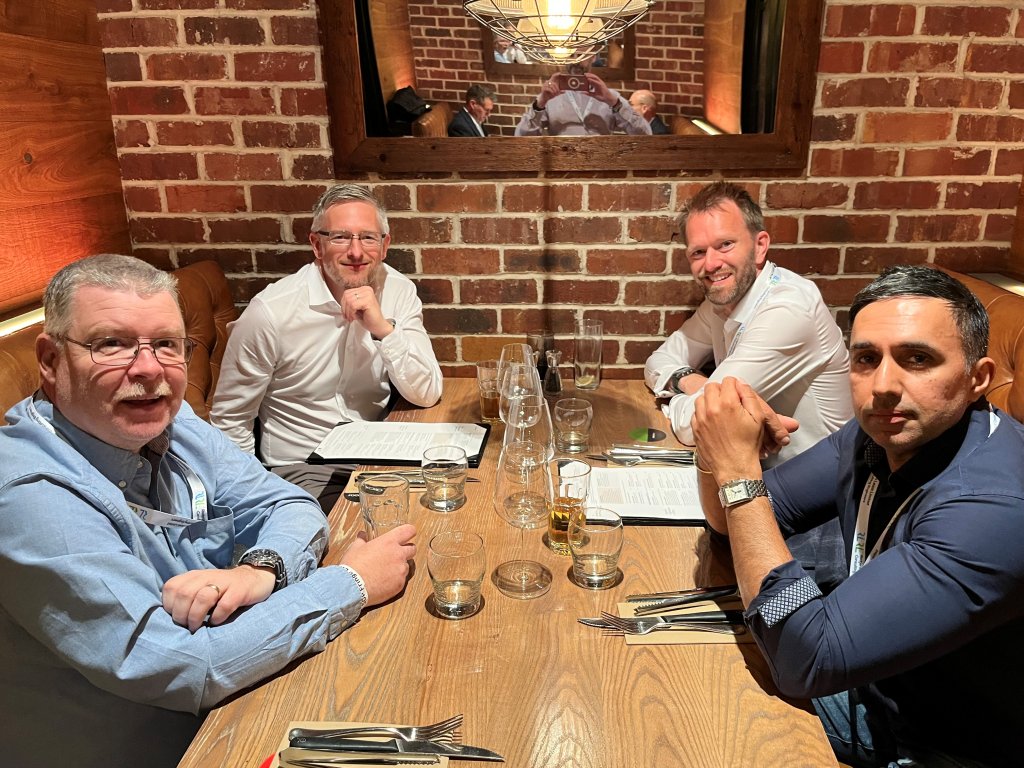
Stewart, attending for the first time, joined a variety of fringe events and networking sessions focused on regeneration, infrastructure, placemaking, education and housing. This included a lunch with Stepnell, the Interact breakfast, evening receptions hosted by Frank Shaw Associates and Morgan Sindall, and lunch and breakfast event hosted by our team.
“The fringe events at UKREiiF presented a great opportunity to engage with a diverse range of stakeholders at one location, providing informal networking opportunities,” he said. “The highlight of the week was the quality of engagement and the opportunity to hear directly from clients and fellow professionals alike.”
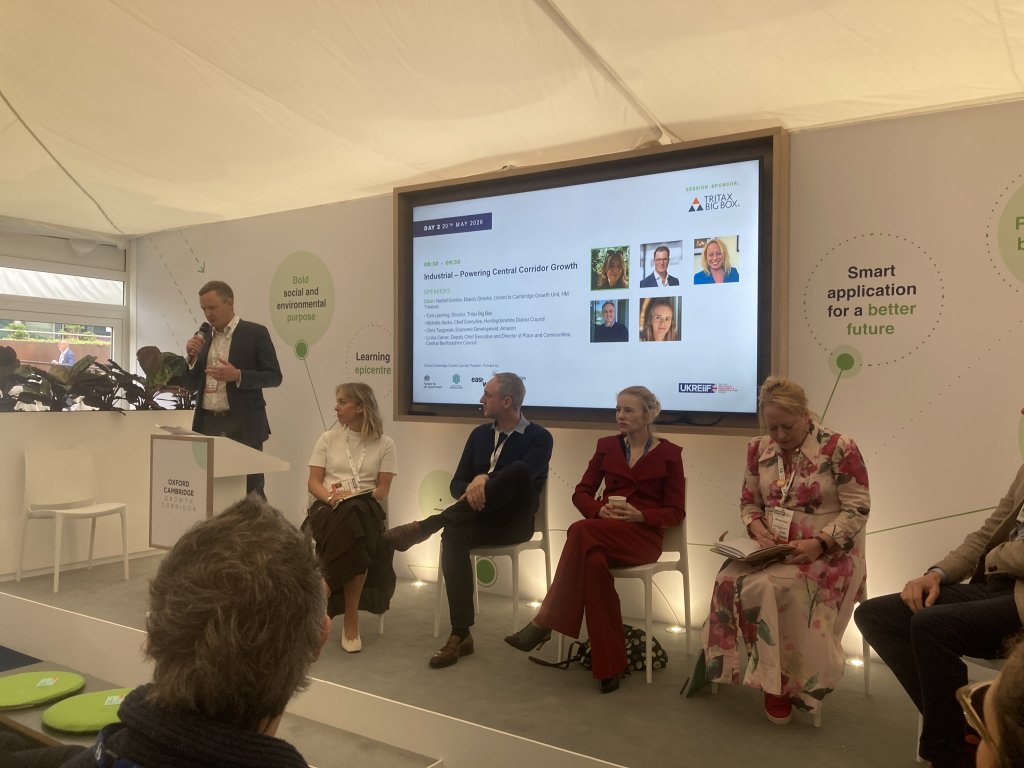
His third visit to UKREiiF saw Matt heading to several fringe events including those hosted by SGP Architects, Pick Everard, Avison Young and ShedQuarters. He also attended main event panel discussions such as MADE Partnership’s ‘How long-term thinking can make new towns feel like home’ and a discussion on ‘Industrial: powering central corridor growth’ in the Oxford-Cambridge growth corridor pavilion. He said: “The event presented a fantastic opportunity to speak face-to-face with so many people – be it new or existing contacts.”
Kully split his time between the main fringe events such as the Stepnell breakfast, Morgan Sindall, Pick Everard and ShedQuarters. “The fringe events played a crucial role in fostering deeper connection with existing and potential new clients which was hosted by friends, clients and companies we work for,” Kully commented, adding that hosting a relaxed lunch with existing and potential new clients involved in the industrial and logistic sectors was a particular highlight. He said: “It encouraged candid conversations and reminded us how shared challenges often lead to shared solutions.”
Mark also attended for the first time, packing his week with fringe events hosted by Cornerstone Group, SGP Architects, ShedQuarters, Avison Young, Procure Partnerships, Stepnell, Shoesmiths, Groundsure and Clarke Willmott, as well as our own breakfast event.
He said: “Catching up with so many current and past contacts was a highlight of the week.
It was my first year, but overall, I found that not spending time in the main event area isn’t a barrier to a successful event.”
Howel focused on the North West and West Midlands regeneration sessions, where a chance encounter proved particularly valuable.
“I bumped into a contact who is now CEO of an existing client, and we discussed what his queries were, and I was able to help then and there. The interaction has already led to a significant lead, demonstrating the value of speaking with contacts face to face at events such as these.”
Common themes
Despite continued market uncertainty and ongoing geopolitical issues, optimism for the industry was in great supply. Kriston said: “Large projects may be taking some time to get off the ground, but the opportunities are there.”
This sentiment resonated throughout the team’s reflections on this year’s event.
Kully said: “There are still plenty of concerns and challenges within the construction industry with rising costs, planning complexity, gateway delays and economic factors, but it’s good to hear that there are positive expectations and changes set to hopefully boost the economy.”
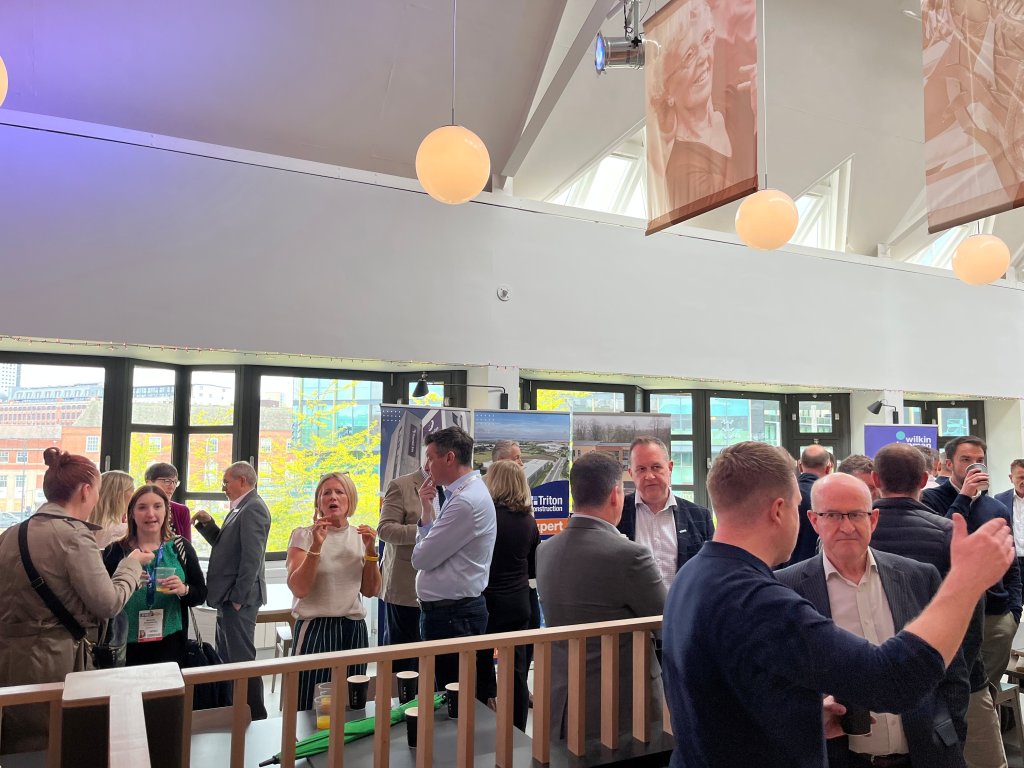
Stewart identified similar themes during his sessions – housing delivery and planning reform, funding availability, regional regeneration, skills and workforce issues and public-private sector collaboration. He said: “While there seemed to be good intentions to get development going at central government level, it felt like economic uncertainty in the world and at home in the UK and planning resource remained key issues affecting delivery.”
Matt echoed this stance after speaking with industrial and logistics specialist developers about planning challenges for big shed developers. He commented: “Local authority officers and public perceptions about warehouse developments can often be outdated, or simply wrong.
“As consultants in the construction industry, it is part of our job to provide better, clearer information about what goes on inside a warehouse, and how it operates. Collectively, we all agreed that planning documents that support big-shed schemes could do a better job of dispelling long-held myths and stereotypes and reflecting the changes that have occurred.”
For Mark, the standout concerns were issues with the planning system, political uncertainty and skills gaps, while Howel commented: “Hearing everyone’s thoughts and looking at the economy and the affordability of construction, 2026 might work out.”
Key takeaways
Skills shortages emerged as a recurring theme for the industry as a whole, but Stewart found them particularly within his own field of work, geo-environmental and geo-technical engineering. However, he added, “there does appear to be good momentum in regional growth, particularly in areas benefitting from devolution and targeted investment programmes.”
Mark’s takeaway was focused on the planning system itself. He said: “We have not been able to deliver our housing targets since the Second World War. We need to remove a large part of the bureaucracy and red tape in the system, starting with the removal of the planning committee model, where too many sites have gone to planning with full officers’ recommendations for approval to be overturned by the planning committee vote.”
On the topic of planning, Matt noted: “Getting planning approval is hard – this is a view that most people I spoke to agree with. But despite some obvious wider political and economic challenges, there is an underlying buoyancy to the economy so there are lots of opportunities out there.”
Surprising discoveries
Stewart noted that despite concerns over funding pressures, planning constraints and delivery risk, there remained “a good level of optimism across the sector with an overall positive sentiment focusing on identifying solutions.” Kully also noted how the event is growing. He added: “Leeds was so busy during the day and evenings with people within the construction industry. Year on year UKREiiF seems to attract more likeminded people.”
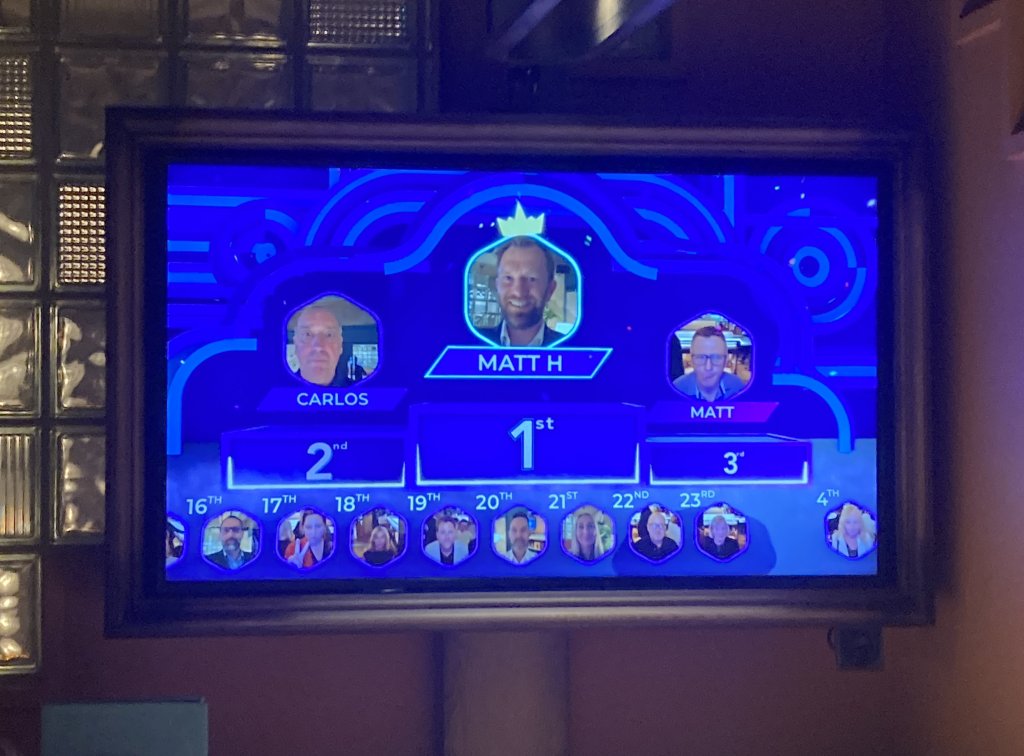
Looking outside of the event, the team made some surprising discoveries about one another. Kriston revealed a hidden talent in the team. “Our very own Matt Harrison is a bit of a demon at shuffleboard,” he said, with Matt confirming: “I managed to win Stepnell’s fringe event tournament!” Howel warned, “not to leave certain colleagues in charge of the keys for the shared house.”
Looking ahead
With this year’s event done and dusted, the team is already thinking about how to build on 2026’s success.
Kully and Kriston found the fringe event focus largely successful, with intentions to stick to a similar plan of action for 2027 alongside more of the Rodgers Leask team. Kully said: “If we could get more staff to attend these well-received events, then we could capture more events relevant to our business.”
Matt also commented on the positive experience of UKREiiF 2026, adding: “I think it was our best yet in terms of preparation and focus. We hosted a few small fringe events which were really well received by our guests and more generally, we maximised our attendance at multiple events by splitting our team into pairs. We were much more selective with the panel discussions and presentations that we chose to attend, which seemed to work well. Time will tell as to how productive our efforts have been, but I don’t think we’ll be looking to change our approach dramatically for next year.”
Stewart concluded: “Next year I would look to build a more structured programme of meetings with key stakeholders and strategic partners to maximise opportunities presented by the event. I am looking forward to strengthening relationships and exploring new opportunities for collaboration.”
For more of our latest news, visit https://rodgersleask.com/news/.