
Managing ground improvement innovation through design checks
16.01.26
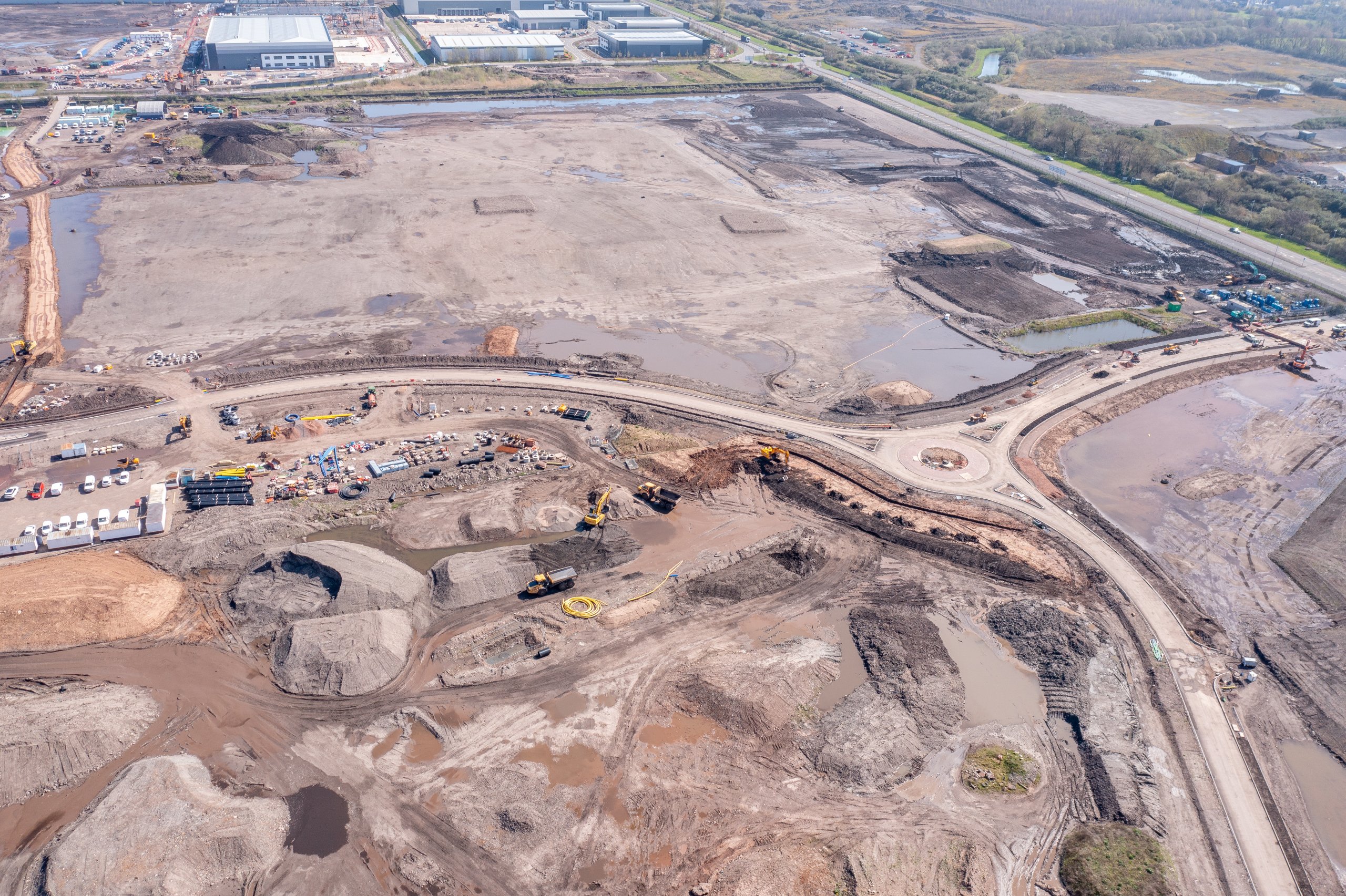
Ground improvement and innovation in how the foundations for buildings are engineered can be the difference between whether a project is financially viable or not. However, as director Howel Morris explains, considering and utilising less established solutions beyond the traditional can bring additional risk which needs to be adequately mitigated through the design process. This potential additional risk, quite rightly, meets appropriate resistance.
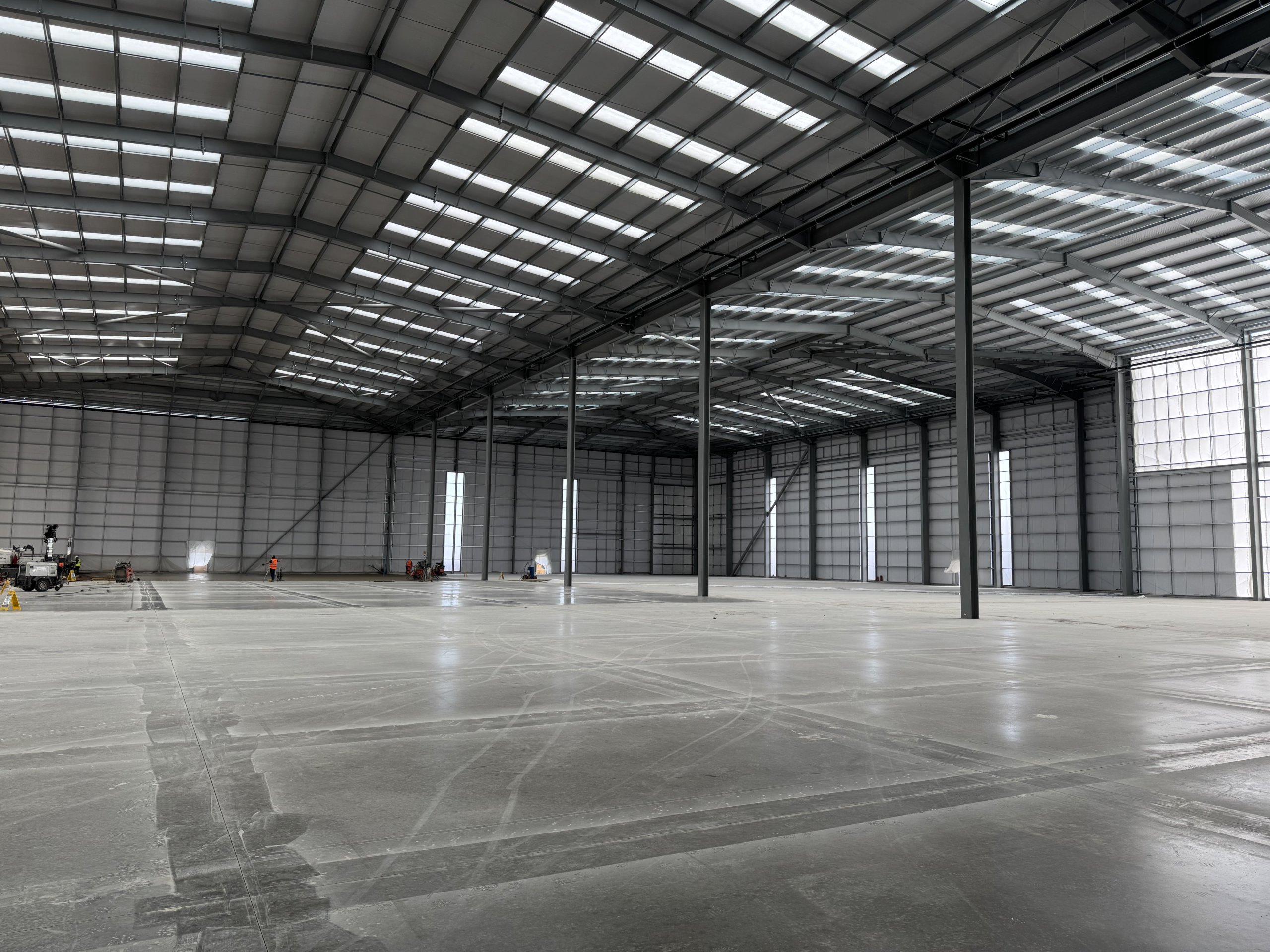
Since 2018, we have been involved in projects with innovative ground improvement techniques used to support the development of commercial units on poor ground. Initially, it began with having to advise against the use of Controlled Modulus Columns (CMCs), otherwise known as rigid inclusions, but with further development and improved understanding the case for deploying the technique improved. As post construction monitoring data improved and confidence grew in the tolerances of the technique, so did the possibility of wider use in poor ground conditions.
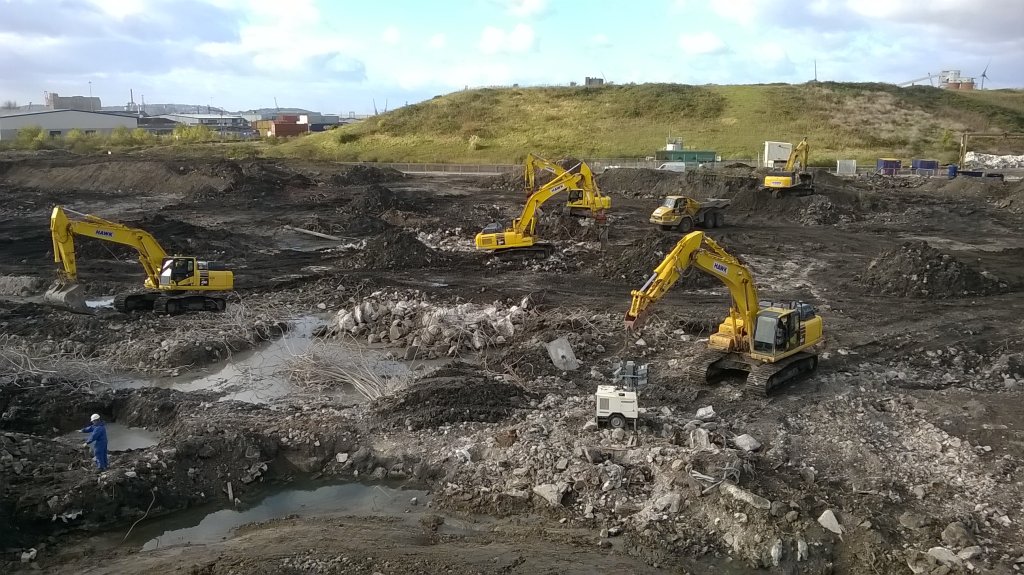
In 2024, we were commissioned to undertake a Category 3 Design Check of CMCs for a project. The design check was a thorough exercise where the main point of interest was the chosen soil parameters adopted by the specialist contractor. The assessment came down to a difference of opinion on the ground model. This was reassuring because it was a well understood variable within the design where knowledge and deployment of rigid inclusions did not supersede an extensive understanding of the characteristics and behaviour of the geology beneath the site.
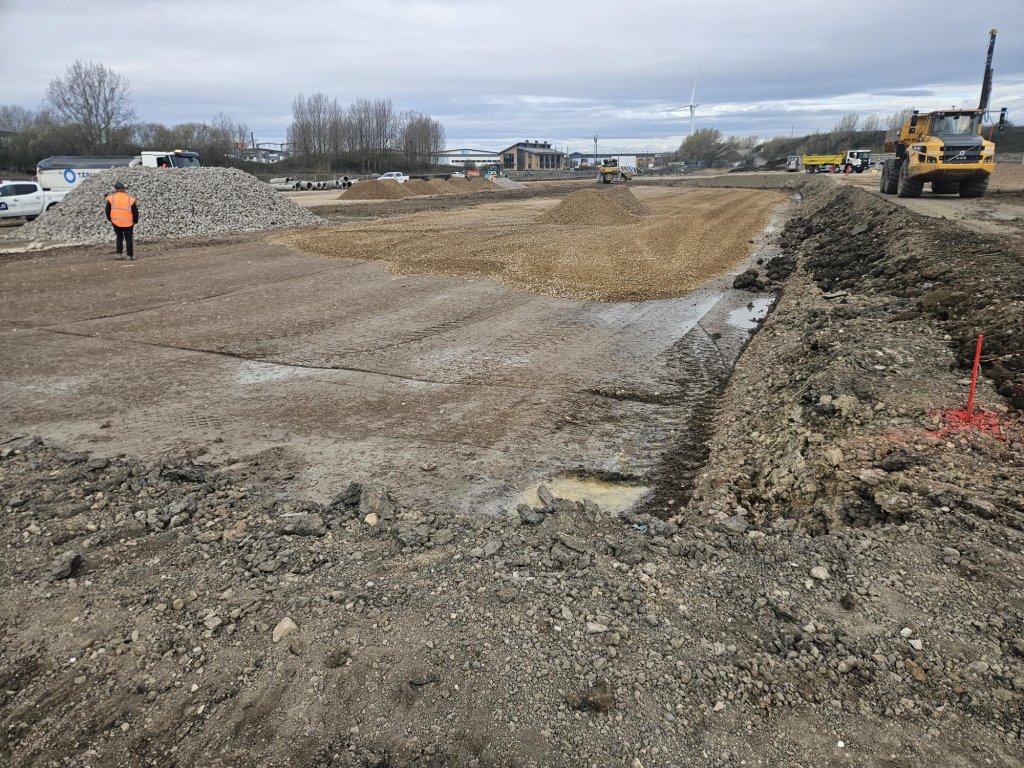
A detailed understanding of CMCs led to the suggestion of its use on a heavily constrained site where a layout using traditional foundations for poor ground was not possible. Site specific trials were designed and undertaken to assess viability of the ground improvement technique, which effectively included the retained features as part of the wider solution.
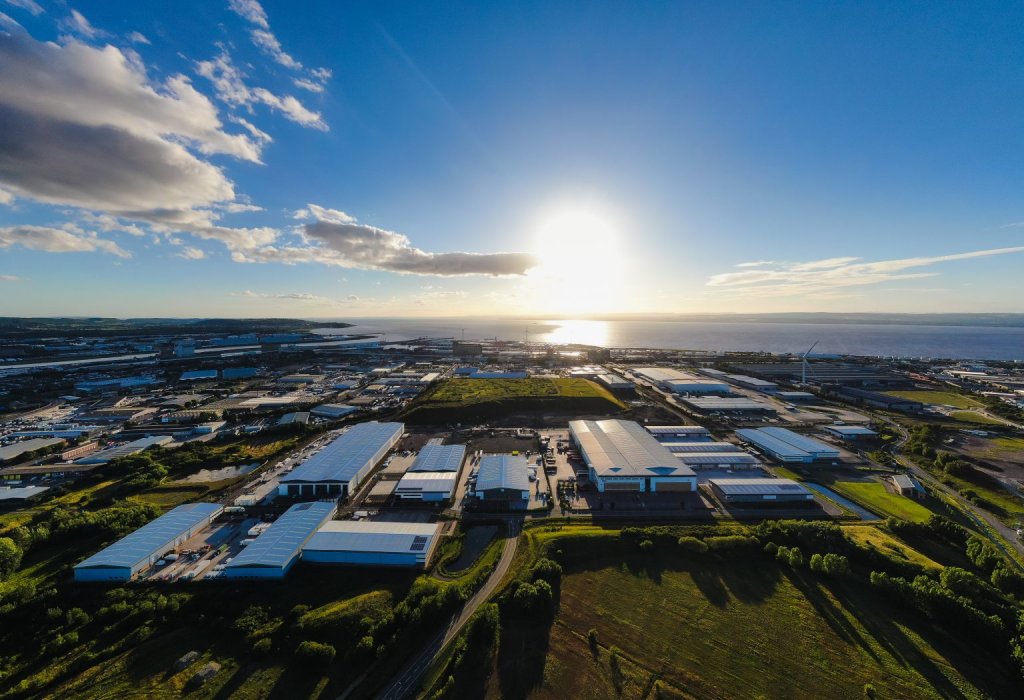
Managing innovation in ground improvement involves assessment of new technologies on their own merit, managing risk and maintaining factors of safety. The new technologies are often attractive for many reasons, but the key is safely deploying them into an often-traditional industry where projects from the past have much more data and many trusted processes. The cautious introduction of innovative techniques, supported by collation of a trusted data set, is critical. This promotes ongoing consideration of the technique as a potential option for many projects.
A collaborative approach is needed in the feasibility assessment, which leads to trials to support the design. The successful deployment of innovative ground improvement techniques enhances efficiency, sustainability, reduces cost and programme and can unlock or improve net developable area on complex sites.
A key challenge to the wider use of innovation in ground improvement is the industry’s historical resistance to change. However, drivers such as higher construction costs, the need for sustainable practices, and the potential for significant economic returns are pushing innovation forward.
By managing innovation effectively, companies can achieve enhanced project safety, efficiency, and environmental performance.
Read more about our geo-environmental expertise on our website here: https://rodgersleask.com/our-services/geo-environmental-engineering/